

Where to Buy CSA Electrical Parts: A 2026 Guide
Table of Contents
- Understanding CSA Certification and Why It Matters
- How to Verify CSA Certification Marks on Electrical Parts
- Canadian Electrical Code Compliance Requirements for Installations
- Dangers of Uncertified Electrical Parts and Fire Risk
- Where to Buy CSA-Listed Electrical Components
- Contractor Liability and Your Responsibility
- Frequently Asked Questions
Last Updated: September 2, 2026
Understanding CSA Certification and Why It Matters
CSA certification is the mark of electrical safety compliance in Canada. When you buy CSA electrical parts, you're purchasing components that have been tested and approved by an accredited testing laboratory to meet national electrical safety standards. This certification isn't optional, it's a legal requirement for most electrical installations across the country.
The CSA mark (Canadian Standards Association, now operating as CSA Group) represents rigorous evaluation and field evaluation protocols. Every component bearing this mark has undergone testing to ensure it meets the technical standards required for safe electrical distribution equipment and installations. Without CSA certification, electrical equipment poses genuine fire hazards and creates liability exposure for contractors and property owners alike.
Why does this matter for your projects? Installing uncertified electrical parts can void insurance claims, trigger code violations, and expose you to liability if something fails. Building inspectors and insurance companies expect to see CSA-listed components on every installation. When you source CSA electrical parts from reputable suppliers, you're ensuring compliance with the electrical code and protecting both your reputation and your clients' safety.
At Alberta LED Lights & Electrical Supplies, we understand the critical importance of sourcing only CSA-certified components. Our inventory is curated specifically to meet these compliance requirements, ensuring you can source the electrical hardware and lighting solutions your projects demand without compromise on safety or certification status.
How to Verify CSA Certification Marks on Electrical Parts
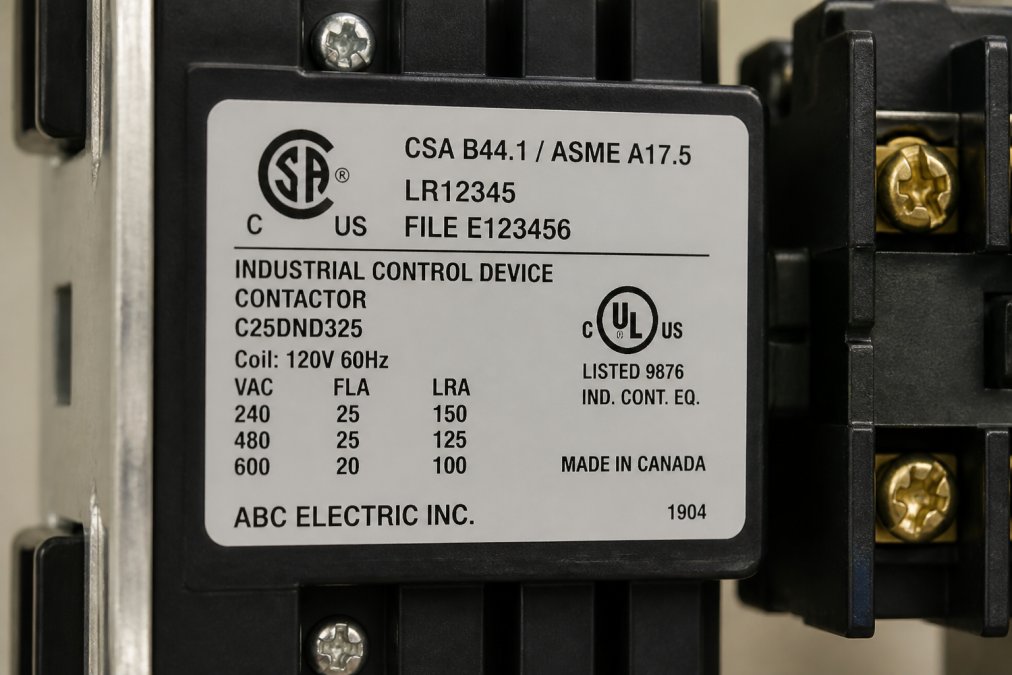
Identifying a legitimate CSA mark is your first line of defense against counterfeit electrical products. A valid CSA certification mark on electrical parts includes specific visual elements that distinguish genuine certification from imitations.
What a Valid CSA Mark Looks Like
The official CSA mark appears as a distinctive logo, typically a circle containing the letters "CSA" alongside the certification number. The mark should be clearly printed or embossed directly on the product, packaging, or labeling material. Legitimate marks include a file number (usually starting with "LR" or similar designations) that corresponds to the specific product evaluation.
Look for these characteristics on any electrical component:
- Clear, legible CSA mark with proper sizing
- File number clearly visible alongside the mark
- Voltage rating and current rating specifications printed on the label
- Manufacturer name and model number
- Date code or batch information for traceability
Counterfeit marks often appear fuzzy, poorly aligned, or use incorrect proportions. If the mark looks faded or unclear, treat it as a red flag. Genuine CSA certification is applied with precision, poor print quality suggests the component has not undergone legitimate testing.
Using the CSA Product Database
CSA Group maintains a publicly accessible online database where you can verify that specific products have been certified. Before purchasing electrical parts in bulk, cross-reference the manufacturer name, model number, and file number against the CSA database. This verification step takes minutes and eliminates guesswork.
The database allows you to search by manufacturer, product category, or file number. When you find a match, the database displays the scope of certification, what specific electrical hazards and conditions the product has been tested to withstand. This information tells you exactly what safety standards the component meets and whether it's appropriate for your application.
Many contractors skip this step and regret it later. A component might bear a CSA mark, but if it's not in the database, the mark is likely fraudulent. This is where legitimate suppliers like Alberta LED Lights & Electrical Supplies add value, we've already verified every component in our inventory against the official CSA database, so you don't have to.
Canadian Electrical Code Compliance Requirements for Installations
The Canadian Electrical Code, published by the Canadian Standards Association, sets the minimum safety requirements for all electrical installations in the country (csagroup.org). Compliance with this code is not discretionary, it's enforced by provincial electrical inspectors and required by insurance companies.
The code specifies which components must be CSA-listed for different applications. For example, circuit protection devices, wiring, connectors, and fixtures used in residential or commercial installations must bear CSA certification (csagroup.org). The code also dictates how components must be installed, what voltage and current ratings are appropriate for specific circuits, and how to ensure proper grounding and bonding.
Non-compliance creates multiple problems. Building inspectors will flag installations that use uncertified electrical parts, halting projects until corrections are made. Insurance companies may refuse to cover damage or injury resulting from code violations. If an electrical fire occurs and investigation reveals uncertified components were used, liability falls entirely on whoever installed them, contractor, electrician, or property owner.
Understanding which components require CSA certification for your specific project prevents costly rework. Different installation types (residential, commercial, industrial) have different requirements. When you source CSA electrical parts from a supplier who understands these distinctions, you avoid the guesswork and ensure your installations pass inspection the first time.
Dangers of Uncertified Electrical Parts and Fire Risk
Uncertified electrical parts represent a genuine fire hazard. These components have not undergone the rigorous testing required to verify they can safely handle the electrical loads and environmental conditions they'll encounter. The result is predictable: overheating, insulation failure, arcing, and fire.
Counterfeit electrical products flood the market, particularly through online channels where verification is difficult. These components often use substandard materials, inadequate insulation, or improper manufacturing processes. A circuit breaker that looks legitimate but lacks CSA certification might fail to trip during an overload, allowing dangerous current to flow unchecked (the CDC). A light fixture without proper certification might overheat and ignite surrounding materials.
The liability exposure is substantial. If an electrical fire occurs and investigation reveals uncertified components were used, the installer bears full responsibility for property damage, injury, and legal consequences. Insurance claims are denied. Professional licenses are at risk. The reputational damage to a contracting business can be permanent.
Beyond fire risk, uncertified electrical parts create voltage and current hazards. Without proper testing, there's no assurance the component will perform safely under fault conditions or in the presence of moisture, temperature extremes, or other environmental stressors. Electrical hazards that certified components are designed to contain become active risks.
This is why sourcing CSA electrical parts from reputable suppliers isn't a cost-cutting opportunity, it's a risk management necessity. The few dollars saved by purchasing uncertified components pale against the potential costs of fire damage, liability claims, and professional consequences.
Where to Buy CSA-Listed Electrical Components
Finding reliable suppliers of CSA electrical parts requires knowing where legitimate distributors source their inventory and what verification processes they use.
Authorized Distributors and Specialty Retailers
Authorized distributors are the safest source for CSA electrical parts. These suppliers maintain direct relationships with manufacturers and import certified inventory through official channels. They typically carry comprehensive product ranges, maintain consistent stock levels, and employ staff trained in electrical safety standards and code requirements.
Specialty electrical retailers focus specifically on electrical components and installation supplies. Their expertise in safety compliance, code requirements, and product specifications makes them valuable partners for contractors and electricians. These retailers understand which components are appropriate for different applications and can guide you toward selections that meet both code and budget requirements.
Local suppliers offer advantages that national retailers cannot. Same-day pickup eliminates shipping delays that can derail project schedules. Staff understand regional code variations and local inspection practices. You can inspect components in person before purchase, verifying certification marks and condition. For contractors managing multiple simultaneous projects, local availability is often more valuable than minor price differences.
Alberta LED Lights & Electrical Supplies operates as a specialized local supplier serving contractors, electricians, and builders in the Calgary area. Our inventory focuses on CSA-certified electrical components and LED lighting solutions specifically selected for commercial and residential projects. We maintain stock of the components professionals actually need, eliminating the frustration of special orders and backorders that delay projects.
Online vs. Physical Retailer Risks
Online retailers offer convenience and often competitive pricing, but they introduce verification challenges. When you cannot inspect components in person, assessing certification authenticity becomes difficult. Counterfeit electrical parts circulate through online channels more readily than through established physical retailers because verification barriers are lower.
The risks of online purchasing include receiving components that don't match product descriptions, discovering certification issues only after delivery, and having limited recourse if components prove defective or uncertified. Shipping delays can derail project timelines. Return policies vary widely, and some online sellers resist accepting returns of electrical components due to safety liability concerns.
Physical retailers allow you to inspect CSA marks, verify packaging condition, and confirm stock availability before purchase. You can ask questions about product specifications and receive immediate answers from trained staff. For contractors managing tight project schedules, the ability to walk in, verify what you need is in stock, and leave with components in hand eliminates uncertainty.
The trade-off is that physical retailers typically cannot match the lowest online pricing. However, when you factor in reduced shipping costs, eliminated delays, and the ability to verify components before purchase, the total cost of ownership often favors local suppliers. For bulk orders, many local retailers offer trade pricing that competes directly with online alternatives.
Verification Checklist for Consumers and Contractors
Before purchasing CSA electrical parts from any supplier, use this checklist to confirm legitimacy:
- Verify the supplier maintains CSA-certified inventory as a stated business practice
- Ask for the CSA file number for any component you're considering
- Cross-reference the file number in the CSA database before committing to purchase
- Inspect the CSA mark on packaging and product for clarity and proper formatting
- Confirm voltage and current ratings match your application requirements
- Ask about the supplier's return policy for defective or non-compliant components
- Request documentation showing the component's certification status if you have any doubt
- For bulk orders, request a certificate of compliance or batch documentation
- Verify the supplier's physical location and business registration
- Check whether the supplier offers technical support if you have questions about specifications
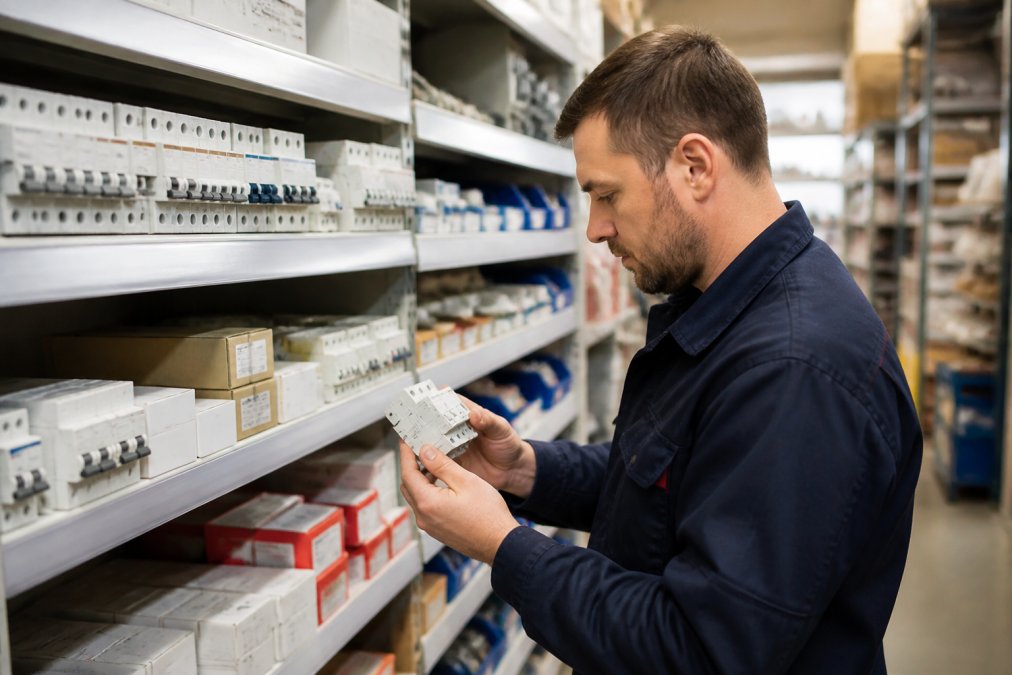
This checklist prevents costly mistakes. Contractors who invest five minutes verifying components before purchase save themselves from project delays, code violations, and liability exposure.
Contractor Liability and Your Responsibility
Installing electrical components carries legal responsibility. As a contractor or electrician, you are responsible for ensuring that every component you install meets applicable electrical codes and safety standards. This responsibility cannot be delegated to suppliers or contractors you hire, it remains yours.
If an electrical installation you completed fails due to uncertified components, you bear liability for resulting damage, injury, or fire. Insurance may not cover incidents involving code violations. Professional licensing boards may take disciplinary action. Civil lawsuits from property owners or injured parties can result in substantial damages.
The practical implication is straightforward: source CSA electrical parts exclusively. Every component that goes into an installation you're responsible for must bear legitimate CSA certification. Verify certification before installation, not after problems occur.
This is why building a reliable supplier relationship matters. When you work with suppliers who understand electrical safety compliance and maintain certified inventory, you eliminate a major source of project risk. You can focus on installation quality knowing that components meet required standards.
Sourcing CSA electrical parts correctly protects your projects, your reputation, and your clients' safety. Electrical safety compliance isn't negotiable, it's the foundation of professional installations. At Alberta LED Lights & Electrical Supplies, we've built our business around providing contractors, electricians, and builders in Calgary with CSA-certified electrical components and specialized LED lighting solutions that meet code requirements and project timelines. When you need reliable CSA electrical parts with local availability and professional expertise, reach out to our team to discuss your project requirements and get the supplies you need to complete installations that pass inspection and stand the test of time.
Frequently Asked Questions
How can I verify if an electrical part is CSA certified?
Look for the CSA certification mark on the product label or packaging. The mark should display the CSA logo along with a file number (typically starting with 'LR' or 'C'). You can verify the certification by searching the CSA Product Database using the file number. Check that the mark is clear, properly positioned, and matches the product specifications. Authorized distributors can provide documentation confirming CSA certification for any item in their inventory.
What are the risks of using non-certified electrical parts?
Non-certified electrical parts pose serious safety hazards including electrical fire, equipment damage, and personal injury. These components may not meet voltage rating, current rating, or circuit protection standards required by the Canadian Electrical Code. Using uncertified parts can void equipment warranties, create liability issues for contractors, and result in failed electrical inspections. Insurance claims may be denied if non-compliant parts caused damage or injury.
Does electrical equipment need to be CSA approved for residential installations?
Yes. All electrical equipment installed in residential, commercial, and industrial settings must comply with Canadian Electrical Code standards and carry appropriate safety certification marks. CSA certification is mandatory for electrical hazard prevention and is required by inspection authorities during final approval. Using only CSA-certified components ensures your installation meets regulatory requirements and passes inspection.
Where should I buy CSA electrical parts to ensure authenticity?
Purchase from authorized distributors, specialty electrical retailers, and reputable suppliers who maintain current inventory of CSA-certified components. Verify the retailer's authorization status and ask for product documentation. Local suppliers often provide same-day pickup and can confirm stock availability before purchase. Check that the supplier can provide file numbers and certification details for items you order, and avoid purchasing from unknown online marketplaces where counterfeit electrical products are common.